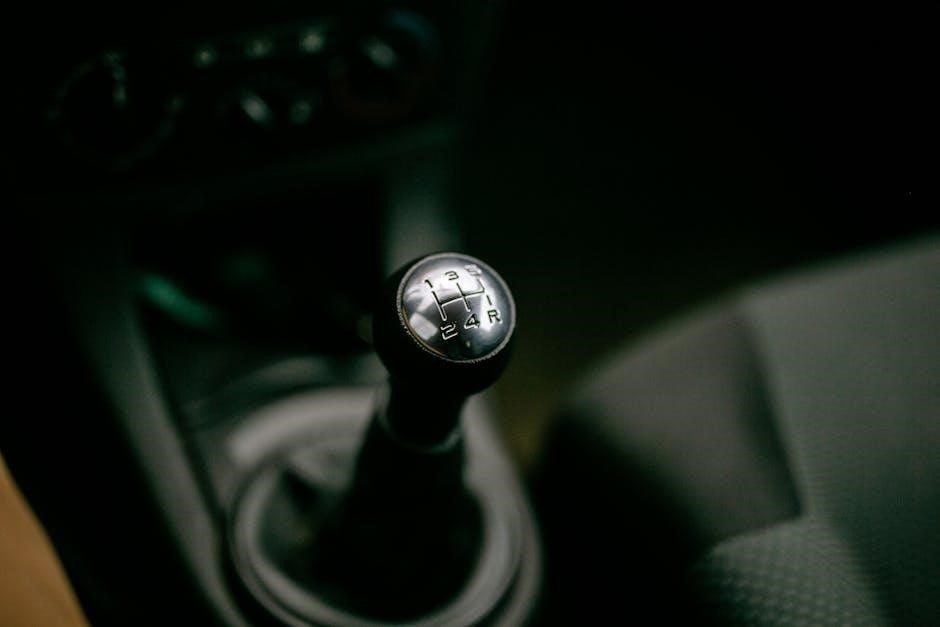
Despite the rise of automatics, mastering a manual transmission offers a unique driving connection and valuable skill.
Learning on a forgiving vehicle, like a Miata or Jeep, builds confidence.
The Secret Service even trains agents in manual driving, highlighting its continued relevance and practical application in various scenarios.
The Declining Art of the Stick Shift
Once ubiquitous, the manual transmission is becoming increasingly rare in modern vehicles. The dominance of automatic transmissions, CVTs, and dual-clutch systems has led to a decline in the number of new cars offered with a stick shift. This shift towards automation, while offering convenience, risks losing a fundamental aspect of the driving experience – driver engagement and control.
However, a resurgence of interest exists, fueled by enthusiasts who appreciate the connection and skill involved in operating a manual gearbox. Cars like the Mazda Miata continue to champion the manual, providing a platform for drivers to experience the joy of a truly interactive drive. Even the U.S. Secret Service recognizes the value, training agents to operate vehicles with manual transmissions, ensuring a skillset isn’t lost.
This decline doesn’t diminish the benefits of learning; it arguably increases their value, setting manual drivers apart.
Benefits of Learning Manual Transmission
Beyond simply operating a vehicle, learning manual transmission cultivates a deeper understanding of automotive mechanics and control; Drivers develop enhanced focus, coordination, and a more intuitive feel for the car’s behavior. This heightened awareness translates to improved driving skills overall, even when operating automatic vehicles.
Furthermore, mastering a manual can be a cost-effective skill. Vehicles with manual transmissions often have a lower purchase price and can be cheaper to maintain. The ability to drive stick also expands your options when renting cars abroad, where manuals are still prevalent.
Finally, it’s simply fun. The engaging experience of shifting gears, controlling the engine’s power, and feeling connected to the machine is a rewarding experience, as enthusiasts of cars like the Miata readily attest.

Top Cars for Learning Manual Transmission
Several vehicles stand out as excellent choices for new manual drivers, offering forgiving clutches and predictable gearboxes.
The Miata, Jeep TJ, and Mercedes 240D are prime examples.
Mazda Miata (NA/NB Generation)
The Mazda Miata, particularly the NA and NB generations (1990-2005), consistently appears as a top recommendation for aspiring manual drivers. Jalopnik highlights its perfectly weighted clutch and delightfully engaging shifter, making practice genuinely enjoyable. This isn’t just about ease; it’s about fostering a love for driving stick.
Andy’s Auto notes the Miata is surprisingly accessible, even dispelling the myth that it’s solely a midlife crisis sports car. Its gearbox is described as “lovely” and ideal for beginners. The Miata’s relatively simple mechanics also mean repairs are often straightforward and affordable, a bonus for learners potentially experiencing some initial clutch wear.
Ultimately, the Miata provides a balanced learning experience – challenging enough to build skill, yet forgiving enough to avoid constant frustration. It’s a car that encourages you to want to practice.
Why the Miata is Ideal for Beginners
The Miata’s appeal for new manual drivers stems from its inherent balance and feedback. Its clutch isn’t overly sensitive, avoiding the common beginner issue of immediate stalls. The shifter’s precision and short throws make gear changes intuitive, building muscle memory quickly. Jalopnik emphasizes the “fun to throw around” nature of the shifter, transforming learning into an engaging experience.
Crucially, the Miata’s lightweight design and responsive engine mean mistakes are less punishing. A stalled engine is easily recovered, and the car’s forgiving nature builds confidence. It’s a platform where learners can experiment and refine their technique without fear of significant consequences.
This combination of accessibility and engagement makes the Miata a uniquely effective learning tool, fostering a genuine connection with the art of driving stick.
Availability and Cost
Finding a suitable Miata for learning doesn’t require a substantial financial investment. First and second-generation (NA/NB) models are readily available on the used car market, offering a cost-effective entry point. Andy’s Auto highlights the abundance of affordable, used four and five-speed cars perfect for beginners.
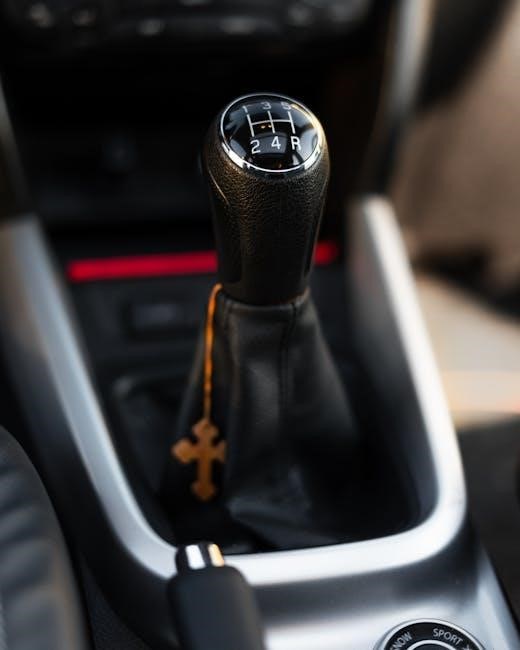
While prices vary based on condition and mileage, well-maintained examples can often be found for under $5,000, and even significantly less for projects needing some TLC. This affordability minimizes the financial risk associated with learning, as minor bumps and scrapes are less stressful.
The Miata’s popularity also ensures a robust parts supply, making repairs and maintenance relatively straightforward and inexpensive, further contributing to its appeal as a learner car.
Jeep TJ
The Jeep TJ, a classic off-roader, presents a surprisingly excellent platform for learning manual transmission. Reddit’s r/askcarguys community recognizes the TJ alongside the Miata as representing polar extremes in the stick-shift experience, yet both are effective learning tools.
Its robust construction and simple mechanics make it incredibly durable and forgiving, capable of withstanding the inevitable beginner mistakes. The TJ’s forgiving nature allows new drivers to focus on mastering the clutch and gear changes without fear of immediate mechanical failure.
This Jeep’s inherent toughness means it can absorb a lot of abuse during the learning process, making it a practical and reliable choice for those new to driving stick.
Simplicity and Durability
The Jeep TJ’s appeal as a learning vehicle stems directly from its inherent simplicity and renowned durability. Unlike modern vehicles packed with electronic aids, the TJ offers a raw, mechanical connection that fosters a deeper understanding of how a manual transmission functions.
This straightforward design minimizes distractions and allows learners to concentrate on coordinating the clutch, throttle, and shifter. Its robust build quality means it can endure the bumps and grinds that inevitably accompany the learning curve, resisting damage from missed shifts or stalled starts.
Essentially, the TJ’s ruggedness provides peace of mind, allowing beginners to practice without constantly worrying about breaking something.
Forgiving Clutch and Gearbox
The Jeep TJ distinguishes itself with a remarkably forgiving clutch and gearbox, crucial attributes for novice manual drivers. Many modern manual transmissions exhibit sensitive clutches and tight shift patterns, demanding precision that can overwhelm beginners. The TJ, however, offers a wider engagement zone and more lenient shift timing.
This characteristic allows for a greater margin of error, reducing the frequency of stalls and rough gear changes. The gearbox isn’t overly notchy, providing a relatively smooth and predictable shifting experience, even when learning the proper technique.
Consequently, the TJ builds confidence by minimizing frustration and fostering a more relaxed learning environment.
1976 Mercedes 240D
The 1976 Mercedes 240D presents a unique, albeit challenging, platform for learning manual transmission. While not typically lauded for its sporty driving dynamics, its inherent characteristics make it surprisingly effective for mastering stick shift fundamentals. The car demands deliberate practice with first gear, requiring finesse to initiate movement from a standstill.
This is because it’s “entirely too slow and too easy to start from a stop” – a quality that, paradoxically, forces learners to focus on clutch control and coordination. The 240D excels in slow-speed control, essential for navigating traffic and parking maneuvers, building a solid foundation for more advanced techniques.
It’s a deliberate learning experience.
Practice with First Gear
Mastering first gear is paramount when learning manual, and the 1976 Mercedes 240D provides ample opportunity for focused practice. Unlike more modern vehicles, the 240D isn’t overly eager to move, demanding a deliberate touch on the clutch and accelerator to avoid stalling. This resistance forces new drivers to truly feel the engagement point and develop muscle memory.
The car requires “a bit of finesse to get it going,” as noted, making it an ideal teacher for understanding the relationship between engine speed and clutch release. This deliberate process builds confidence and prevents the development of bad habits often formed in cars that are too forgiving.
It’s a slow, but effective, learning curve.
Slow Speed Control
The 1976 Mercedes 240D excels in teaching slow-speed control, a crucial skill for navigating traffic and parking. Its less responsive nature necessitates precise clutch and throttle modulation, preventing jerky movements and fostering a smooth driving experience. This contrasts with modern cars that often compensate for driver input, masking fundamental control issues.
Learning to maintain a consistent, creeping pace in the 240D builds a strong foundation for more complex maneuvers. The car’s deliberate response demands attention and encourages a mindful approach to driving, ultimately enhancing overall vehicle control.
It’s a fantastic environment for building confidence at lower speeds.
Characteristics of a Good Learning Car
Ideal learning cars feature a light clutch, predictable gearbox, and affordability. These traits minimize frustration and maximize practice time, fostering confidence behind the wheel.
Light Clutch Pedal
A light clutch pedal is arguably the most crucial characteristic for a beginner learning manual. Excessive force required to depress the clutch quickly leads to fatigue, making smooth engagement and gear changes significantly harder to achieve. This can be incredibly discouraging and prolong the learning process.
Vehicles like the Mazda Miata are frequently praised for their well-weighted and relatively light clutch, allowing new drivers to develop muscle memory without undue strain. Conversely, a heavy clutch demands more physical effort, masking the subtle feedback needed to find the friction point.
The goal is to feel the clutch engage, not fight it. A lighter pedal promotes quicker learning and a more enjoyable experience, building confidence and reducing the likelihood of frequent stalling.
Predictable Gearbox
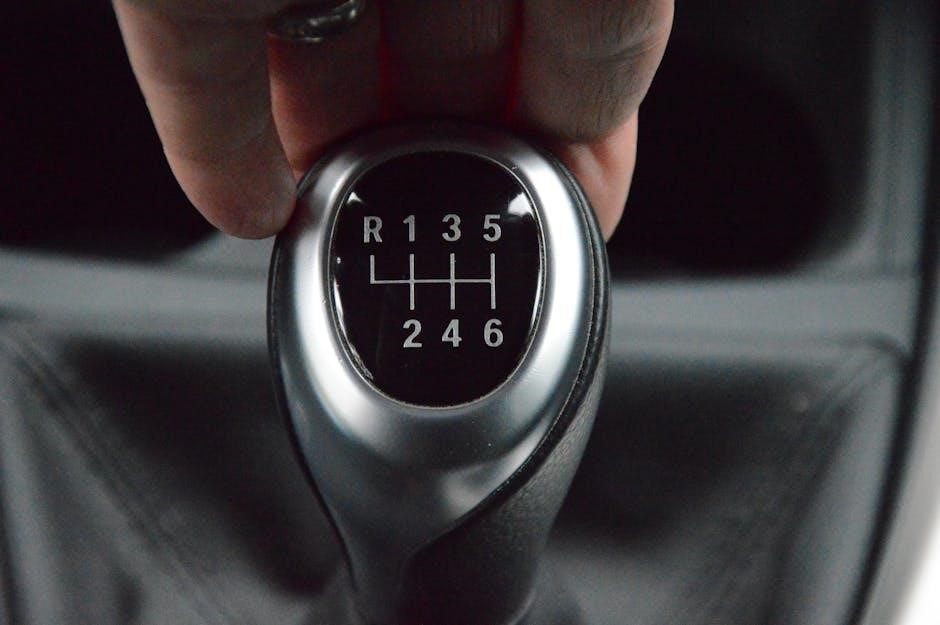
A predictable gearbox is paramount when selecting a car for learning manual transmission. Vague or notchy shifting, where gear engagement feels uncertain, introduces unnecessary complexity and frustration for a novice driver. Clear gate spacing and positive engagement are essential for building confidence.
The Mazda Miata consistently receives accolades for its precise and communicative gearbox. Each gear change feels deliberate and satisfying, providing valuable feedback to the driver. This allows learners to quickly understand the relationship between clutch engagement, shifter position, and vehicle speed.
Conversely, a gearbox with excessive play or resistance makes it difficult to consistently find the correct gear, hindering progress and potentially leading to missed shifts and stalling.
Affordability and Parts Availability
When learning manual, inevitable mistakes will occur – clutch wear, synchro issues, and the occasional bump. Therefore, choosing an affordable car with readily available parts is crucial to minimize repair costs and downtime. A vehicle that won’t break the bank with every learning curve is ideal.
Vehicles like the Jeep TJ and older Mercedes 240D benefit from widespread parts support and relatively low purchase prices. This means replacements are easily sourced, often at reasonable costs, reducing the financial burden of learning.
Conversely, rarer or more specialized cars can present challenges in finding parts, potentially leading to lengthy delays and expensive repairs, detracting from the learning experience.
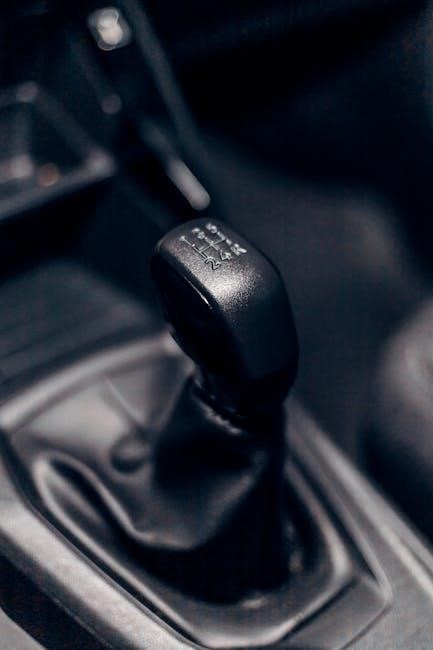
Common Mistakes When Learning
New drivers often stall frequently and experience rough gear changes, especially initially. Patience and practice are key to overcoming these hurdles during the learning process.
Stalling Frequently
Stalling is arguably the most common frustration for new manual drivers, and it’s perfectly normal! It happens when the engine doesn’t receive enough gas while coordinating with the clutch release. Don’t be discouraged; even experienced drivers stall occasionally.
A forgiving car, like the Mazda Miata, can lessen the anxiety around stalling. Its responsive engine and relatively light clutch make it easier to find the friction point. The 1976 Mercedes 240D, while slow, also offers a degree of forgiveness, allowing more time to react.
Focus on smooth clutch engagement and gentle gas application. Practice finding that “sweet spot” where the car begins to move without shuddering or dying. Remember, stalling is a learning opportunity, not a failure!
Rough Gear Changes
Experiencing clunky or grinding gear changes is another frequent challenge for beginners. This often stems from not fully depressing the clutch pedal or attempting to shift without matching engine speed to the gear. A predictable gearbox is crucial for overcoming this.
Vehicles like the Jeep TJ, known for their durable and relatively simple transmissions, can be beneficial. While not the most refined, their straightforward feel provides clear feedback. The Miata’s gearbox, though sporty, is also considered easy to learn on, offering a satisfying and precise shift feel.
Practice smooth, deliberate shifts, ensuring the clutch is fully engaged before selecting the next gear. Listen to the engine and learn to “feel” when the speeds align.
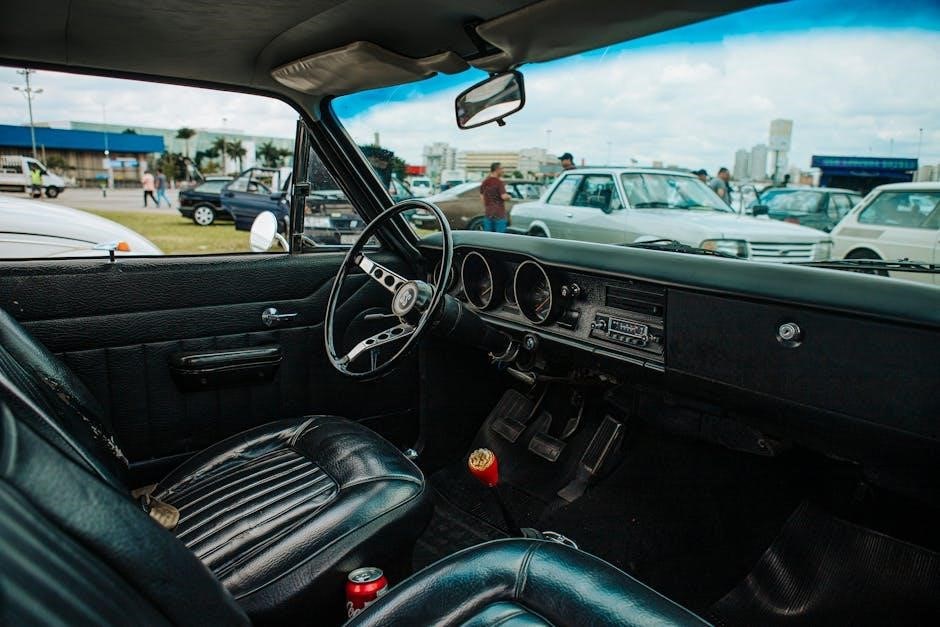
Resources for Learning
Numerous online tutorials and videos demonstrate proper technique, while specialized driving instructors offer personalized guidance for mastering manual transmission skills effectively.
Online Tutorials and Videos
The internet is brimming with resources for aspiring manual drivers. Platforms like YouTube host countless videos demonstrating clutch control, gear shifting, and hill starts. These visual aids can be incredibly helpful in understanding the mechanics and timing involved.
Many channels offer specific tutorials tailored to beginners, breaking down the process into manageable steps. Searching for “learn manual transmission” or “driving stick shift” will yield a wealth of content.
Furthermore, online forums and communities dedicated to cars often feature discussions and advice from experienced manual drivers. These platforms provide a space to ask questions and learn from others’ experiences, supplementing video instruction with practical insights. Remember to cross-reference information and prioritize reputable sources for the most accurate guidance.
Driving Instructors Specializing in Manual
While online resources are valuable, personalized instruction from a qualified driving instructor remains invaluable. Seek out instructors specifically experienced in teaching manual transmissions; their expertise can accelerate your learning curve and prevent the development of bad habits.
A good instructor will provide patient, step-by-step guidance, adapting their approach to your individual learning style. They can offer real-time feedback and address specific challenges you encounter, such as stalling or rough gear changes.
Consider that some instructors may offer lessons in a variety of vehicles, potentially allowing you to learn in a car similar to one you intend to purchase. This focused, hands-on approach builds confidence and ensures a solid foundation in manual driving skills.